why dating apps are replacing video calls with biometric liveness checks
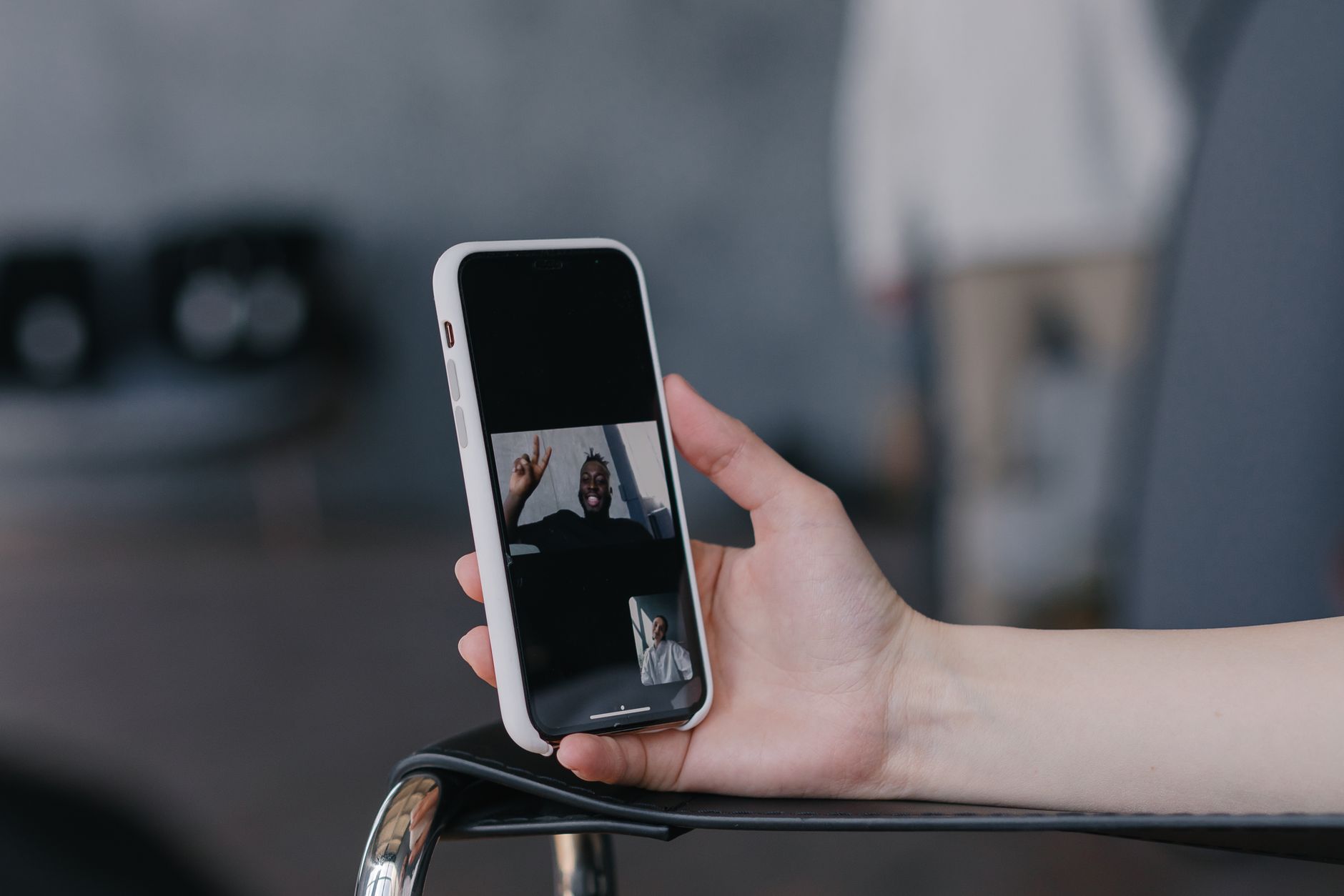
For years, dating-safety advice included an odd little party trick: ask your video-call match to wave a hand quickly in front of their face, or turn their head sharply to one side. Cheaper deepfake tools couldn't keep up with the motion, and the illusion would flicker and fall apart. By 2026, that trick had stopped being reliable. Real-time face-swap software now tracks a moving face convincingly enough that a live video call is no longer proof the person on the other end is who they claim to be — and the platforms built around that old assumption are scrambling to catch up.
When "let's hop on a call" stopped meaning anything
Video calls became online dating's default trust signal precisely because, until recently, they were hard to fake convincingly. That's changed. According to McAfee, romance scammers now use consumer-grade AI tools — a laptop or a couple of smartphones — to transform their face and voice entirely, in real time, with the software mirroring every expression as they talk. The illusion holds up well enough that victims treat the call as confirmation the relationship, and the person, are real.
The financial damage isn't new, but it's compounding. The FBI's Internet Crime Complaint Center has tracked romance scam losses in the hundreds of millions of dollars annually, and that was before real-time face-swap tools became widely accessible. The manual detection tricks security-conscious users relied on — watch for flickering, ask them to turn sideways, check the lighting — are losing their edge as the underlying models improve.
Platforms are answering with biometric liveness, not better advice
Rather than keep publishing "10 ways to spot a fake" listicles, major platforms are rebuilding verification into the product itself. Match Group has made Face Check — a biometric liveness scan built on FaceTec technology — mandatory across Tinder in the US and is extending it to Hinge, requiring a video-selfie scan before users can continue swiping. The same liveness layer is also being used to flag when a profile photo doesn't match the person behind the account.
More broadly, dating apps are rolling out a wider set of safety tools, ConsumerAffairs reported in August 2026, including:
- Mandatory identity verification at signup, tying an account to a real, liveness-checked face
- In-app video calling that keeps interactions on the platform's own, more monitored infrastructure
- Expanded reporting tools trained to flag patterns common to scam scripts, not just individual complaints
- Warnings when a conversation moves off-platform, since scammers routinely try to relocate victims to less-monitored apps
As Agilis founder Jehan Rajendra told ConsumerAffairs, "the idea that online dating has to feel inherently risky is beginning to change" — platforms are being pushed to build trust into the product itself rather than leave it to users' instincts.
Liveness checks are a start, not a finish line
A one-time Face Check at signup confirms a real person was present for a few seconds during onboarding. It says nothing about whether the video call a user takes six weeks later, with a face-swap filter running underneath, is genuine. Point-in-time verification and continuous, real-time detection are different problems, and platforms that treat the first as a substitute for the second are leaving a wide-open door for exactly the scams they're trying to prevent.
Why this isn't just a dating app problem
The same real-time injection techniques defeating video-call trust on dating platforms are already showing up in remote job interviews, telecom account takeovers, and identity checks at financial institutions — anywhere a "live" video or voice interaction gets treated as sufficient proof of identity on its own. Fraud and trust-and-safety teams evaluating their verification stacks in 2026 are learning the same lesson dating apps just did: a single liveness check at the door doesn't protect what happens after someone's already inside the conversation. A convincing face-swap or voice clone doesn't need to fool a biometric scan if it only has to fool the human on the other end of the call.
That's the gap fraud teams should be closing now, before it shows up in a loss report: not just "did this person pass verification once," but "is the voice or face on this call still genuinely theirs, for the whole conversation."
Corsound AI's Deepfake Detect analyzes audio and video continuously throughout a call — not only at onboarding — to flag synthetic voices and face-swapped video the moment they appear, closing the gap that one-time liveness checks leave open. If your platform still treats "let's get on a call" as proof enough, it's worth finding out before your users, or your fraud losses, do.
Photo: Mikhail Nilov / Pexels
See Corsound AI Voice Intelligence In Action