Deepfake job candidates: the new insider threat in remote hiring
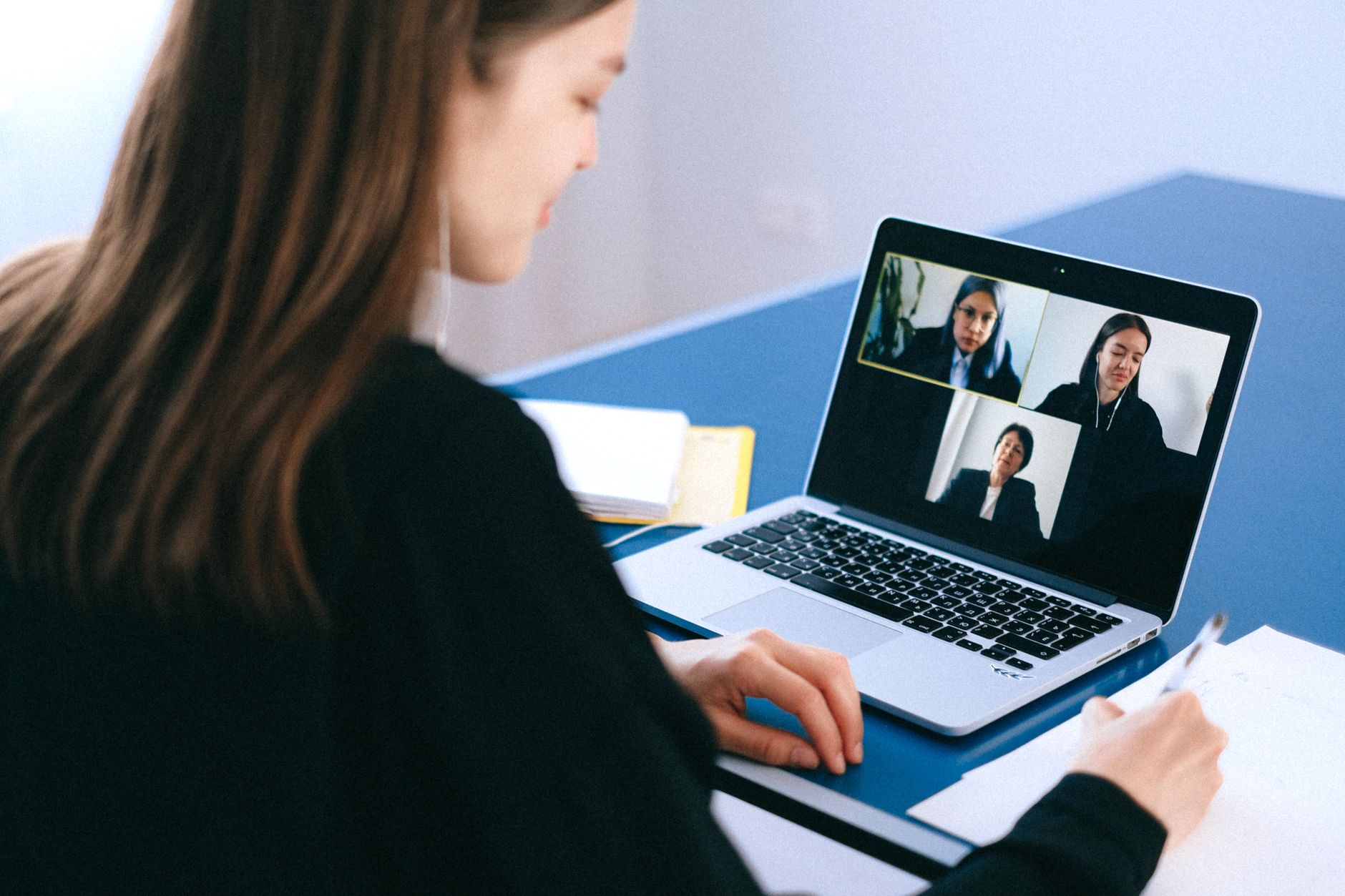
A convincing fake job candidate can now be built in as little as 70 minutes, according to research from Palo Alto Networks reported by HR Dive. For security and fraud teams, that turns every remote interview into a potential entry point for an attacker who never intends to do the job.
Why hiring has become an identity-fraud problem
Remote hiring removed the one control that used to catch impostors: meeting the person in the room. Today a candidate may be verified only through a video call, a scanned ID and a few emails, and every one of those can be synthesised. Gartner has predicted that 1 in 4 candidate profiles worldwide could be fake by 2028, and a Resume Genius survey found that 76% of hiring managers say AI has made it harder to tell whether a candidate is genuine.
The stakes go beyond a bad hire. A fraudulent employee gets legitimate credentials, internal systems access and trust. Law enforcement has documented schemes in which foreign operatives posed as remote IT workers; one 2024 US Department of Justice action alleged a conspiracy that defrauded companies of $6.8 million using falsified documents and stolen identities. For banks, telecoms and any organisation handling sensitive data, a single fake hire can mean exposure of customer records, internal fraud or a foothold for a wider intrusion.
How deepfakes defeat the interview
Real-time face and voice swaps
Live face-swapping and voice-cloning tools let one person appear and sound like another during a video call. The accent, age and gender on screen can all be altered in real time, which makes the usual gut-check unreliable.
Injection attacks on verification flows
The same techniques hit onboarding checks. Entrust's 2026 Identity Fraud Report found that deepfakes now account for 1 in 5 biometric fraud attempts, deepfaked selfies rose 58% in 2025, and injection attacks grew 40% year over year. Injection attacks push manipulated video straight into a verification system, bypassing the camera and fooling basic liveness checks.
Warning signs, and why they are not enough
Recruiters are often told to look for visual and audio glitches. They are worth knowing, but they are shrinking with every model release:
- Lip-sync lag: a delay between speech and mouth movement.
- Lighting shifts: sudden changes in shadows or skin tone when the candidate moves.
- Rapid head movement: blurring or warping around the edges of the face.
- Odd responses to simple requests: hesitation or artefacts when asked to wave a hand across the face.
Relying on human observation alone puts the burden on interviewers who are not trained analysts and who are trying to assess skills, not authenticity. Detection has to be automated and run in the background of the process.
A layered defence for remote hiring
Effective programs treat candidate verification like any other high-risk onboarding flow:
- Screen audio and video for manipulation during interviews and onboarding calls, not only at the ID check.
- Match the person to the claim. Compare the voice and face presented across stages to confirm the same real individual appears each time.
- Harden capture channels against virtual cameras and injected streams.
- Re-verify at high-risk moments, such as credential issuance or changes to payment details.
This is where Corsound AI's technology fits. Deepfake Detect analyses audio and video in real time to flag synthetic or manipulated media, while Voice-to-Face AI checks whether a voice and a face belong together without needing a database.
If your organisation hires remotely, now is the time to test your process against these attacks. See how Corsound AI helps prevent identity fraud before an impostor gets through the door.
See Corsound AI Voice Intelligence In Action