Deepfake social engineering: a CISO's guide to detection and defense
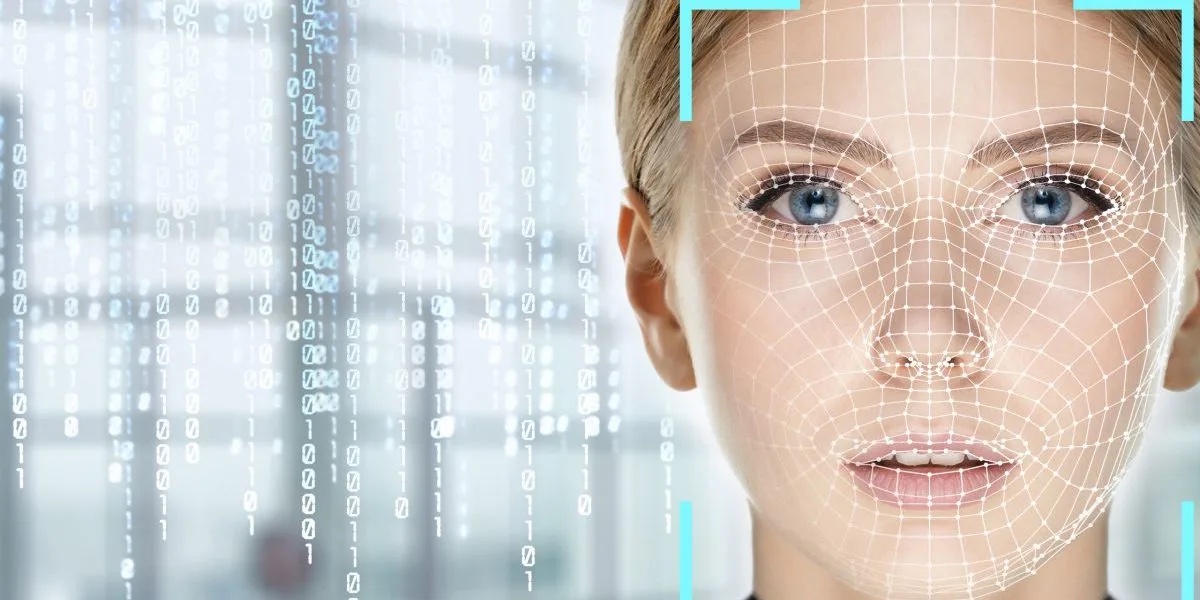
In 2024, a finance employee at a multinational's Hong Kong branch joined a video call with what looked like the company's senior executives. Every face on screen was fake. By the time the fraud surfaced, more than $25 million had moved to scammer-controlled accounts, as Help Net Security reported. What looked like an extraordinary case then is now closer to a normal week. This guide explains how deepfake social engineering works, why people keep missing it, and what a layered defense looks like for security leaders.
Key takeaways
- The threat is already inside your communications. In a 2026 Gartner survey of 297 security leaders, 41% reported a deepfake incident on an employee audio call and 36% on a video call in the previous 12 months.
- Voice is the weakest link. A familiar voice has stopped being proof of identity.
- Human judgment alone will not scale. Training helps, but it cannot be the only control.
- Verification beats recognition. Controls should check that a person is real and authorized, not that they sound or look right.
- Layered defense works. Combine real-time deepfake detection, out-of-band approval, and biometric checks.
What is deepfake social engineering?
Social engineering manipulates people into acting against their interests. Deepfake social engineering adds synthetic audio, video or images to that playbook, so the attacker no longer has to write a convincing email. They can be the CEO, the vendor, the recruiter or the relative on the other end of the line.
Traditional phishing relies on a believable message. Deepfake attacks exploit something deeper: our instinct to trust a face or a voice we know. That is why they succeed against well-trained, security-aware employees.
How these attacks work
Most deepfake campaigns follow the same four-stage chain.
- Reconnaissance. Attackers collect public audio, video and org-chart details from conference talks, earnings calls, podcasts and social media.
- Synthetic media generation. A short voice sample can be enough to produce a usable clone, and face-swap tools now run in real time.
- Delivery. The fake arrives through a phone call, a video meeting, a voice note or a message that primes the victim for the call.
- Psychological exploitation. Urgency, authority and secrecy push the target to skip normal approval steps.
Two-channel attacks are the new normal
The most effective campaigns pair channels. A spoofed message from an executive is followed by a cloned-voice call that appears to confirm it. In a recent case reported by Resemble AI's deepfake watchlist, this exact pattern led to a €95 million transfer approved by a bank chairman. Each channel makes the other feel legitimate.
Common types of deepfake attacks
Executive impersonation on video
Attackers join meetings as senior leaders or colleagues and request urgent payments or access changes.
Voice cloning and vishing
Cloned voices target help desks, finance teams, and customer-service lines. They also power consumer scams such as virtual kidnapping, where a cloned family voice demands money.
Fake candidates and insiders
Synthetic faces and voices are used in remote interviews to get hired, then gain access to internal systems.
Attacks on identity verification
Deepfakes and replayed media are used to pass onboarding and KYC checks, or to take over existing accounts.
Why deepfakes are so hard to spot
Gartner's survey found that 79% of security leaders also faced email phishing or business email compromise and 58% faced vishing or smishing in the same period. Deepfakes sit on top of an already crowded threat picture, and they remove the warning signs people were taught to look for: awkward grammar, odd accents, suspicious links.
Three factors work against defenders:
- Quality. Cloned voices increasingly lose the accent and fluency cues that once exposed scammers.
- Pressure. Attackers manufacture urgency so there is no time to reflect.
- Context. A call that follows a plausible message feels pre-verified.
Asking employees to "listen carefully" is not a control. It is a hope.
Which industries face the most exposure?
Any organization with approval workflows is a target, but some are hit harder.
- Banks and financial institutions face payment fraud, account takeover and synthetic onboarding.
- Telecoms and contact centers handle large volumes of voice interactions, which makes them ideal for vishing.
- HR and remote-work platforms see fake candidates and impersonated employees.
- Law enforcement and government must be certain that evidence, witnesses and callers are authentic.
How to detect and stop deepfake social engineering
No single tool solves this. Gartner's own advice points to verification procedures for consequential requests, stronger identity protection for sensitive workflows, and updated incident response playbooks for AI-enabled impersonation. In practice, that translates into a layered program.
An enterprise defense checklist
- Define high-risk requests. Payments, credential resets, vendor bank changes and data exports should never rest on one call or message.
- Verify out of band. Confirm through a pre-agreed, independent channel, never one supplied by the requester.
- Deploy real-time deepfake detection. Analyze live audio and video for synthetic artifacts before an instruction is acted on.
- Add a second biometric signal. A cloned voice should not be enough on its own. Cross-checking voice against face closes that gap.
- Update your incident playbooks. Include deepfake scenarios, evidence preservation and a fast path to freeze transfers.
- Run realistic exercises. Test finance, HR and help-desk teams with simulated voice and video attacks, and measure behavior rather than course completion.
Where Corsound AI fits
Corsound AI builds security for exactly this problem. Deepfake Detect analyzes audio and video in real time to flag synthetic media, so teams get a warning before money or access changes hands. Voice-to-Face AI matches a voice to a face without needing a database, adding an independent biometric check that a cloned voice cannot satisfy alone. Together they help banks, telecoms, HR platforms and public-sector teams move from "does this sound right?" to "is this person real?"
Frequently asked questions
How is deepfake social engineering different from phishing?
Phishing usually relies on text and links. Deepfake social engineering uses synthetic voice or video to impersonate a real person, which exploits trust in faces and voices rather than in email.
How much audio does an attacker need to clone a voice?
Estimates vary by tool, but clean samples of a few seconds to under a minute can be enough for a convincing clone. Any executive who speaks publicly should assume a sample exists.
What are the warning signs on a live call?
Unusual urgency, requests to bypass process, refusal to be called back, odd pauses, and a reluctance to answer unexpected personal questions. Because the best fakes show none of these, process controls matter more than instinct.
Can small and mid-sized businesses defend themselves?
Yes. Out-of-band approval for payments and credential changes costs almost nothing and stops many attacks. Detection and biometric checks add protection where volumes or stakes are higher.
Next steps
Deepfake social engineering is no longer a future risk. It is a measured, recurring one, and the defenses that work are the ones that verify instead of trust. To see how real-time detection and biometric verification can protect your most sensitive workflows, explore Corsound AI's identity fraud prevention solutions.
See Corsound AI Voice Intelligence In Action