why law enforcement can no longer take digital evidence at face value
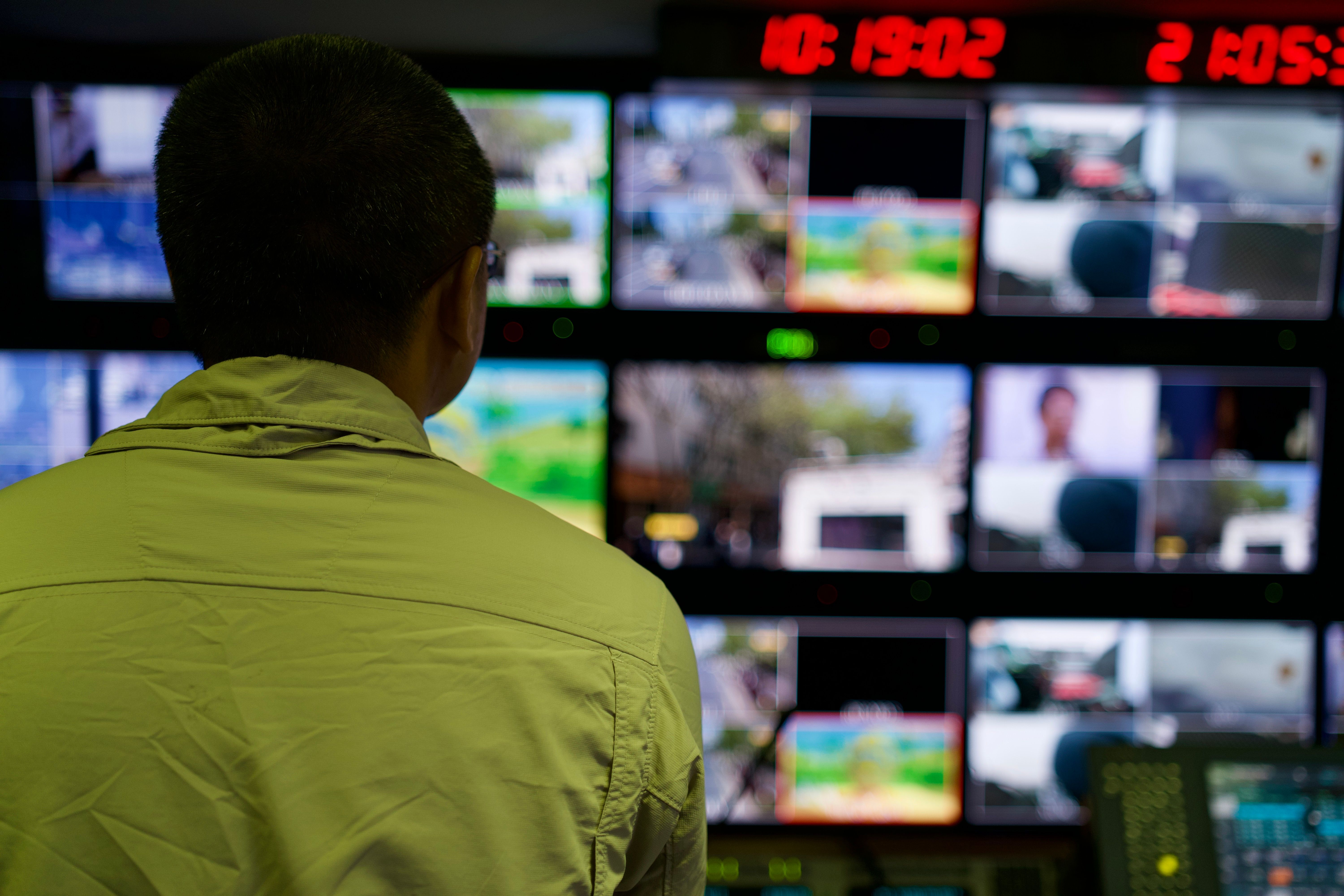
Nearly 80% of images in some dark-web child-exploitation forums are now AI-generated, according to INTERPOL analysis — a number that would have seemed unthinkable five years ago. For law enforcement, that statistic points to a much bigger problem: the evidence sitting in evidence lockers, on seized devices, and in 911 call recordings can no longer be assumed to be real. What used to be presumptively trustworthy is now presumptively questionable, and investigators are increasingly asked to prove a negative — that a piece of digital evidence isn't AI-manipulated — before it can move a case forward.
When seized evidence becomes a suspect itself
For decades, digital forensics focused on extraction, analysis, and chain-of-custody validation, all built on one assumption: a file represents a real-world event. Generative AI has broken that assumption. Synthetic video, cloned voices, fabricated images, and AI-written text are now turning up on seized phones, dark-web marketplaces, and open-source intelligence feeds, and police leaders are being warned they can no longer take digital evidence at face value. Even trained forensic examiners frequently cannot reliably tell a synthetic recording from a real one, and metadata or provenance checks alone can't catch AI-generated files with stripped or forged metadata.
Where deepfakes are already showing up in casework
This isn't a hypothetical threat for some future budget cycle. Agencies are encountering AI-manipulated media across several categories of active investigations:
- Child exploitation material — AI-generated CSAM is flooding certain dark-web forums, forcing investigators to triage real victims from synthetic content at scale.
- Virtual kidnapping and extortion calls — fabricated "proof of life" recordings and cloned voices of a loved one in distress pressure victims and families into paying ransoms within minutes, before anyone can verify what's real.
- Executive and financial impersonation — synthetic video calls and cloned voices authorize fraudulent wire transfers, a tactic increasingly showing up in the evidence trail of financial crime cases.
- Disinformation and public-safety hoaxes — manipulated video and audio are deployed to influence investigations, incite panic, or discredit witnesses and officers.
The FBI's Internet Crime Complaint Center tied AI-enabled fraud to hundreds of millions of dollars in reported losses in 2025 alone (IC3 Annual Report) — and virtually every one of those cases eventually produces evidence that has to hold up in court.
The legal reckoning: proving what's real in court
The courts are scrambling to keep pace. A proposed Federal Rule of Evidence 707, covering machine-generated evidence, and a proposed Rule 901(c) addressing deepfakes specifically are still under study — meaning today's cases are being built and prosecuted without settled rules for authenticating AI-era evidence. That legal gray zone cuts both ways: it isn't just about keeping fabricated evidence out of a case, it's also about defending real evidence against the "liar's dividend," where a defendant claims authentic video or audio must be fake simply because deepfakes exist. Investigators who can't produce a defensible, explainable authentication trail risk losing strong evidence to reasonable doubt, or building a case on media that was never real to begin with.
Building an AI-ready forensics stack
Agencies staying ahead of this shift are treating deepfake detection as a standard step in the evidence pipeline, not a specialty tool reserved for high-profile cases. A defensible approach typically combines:
- Provenance and cryptographic integrity checks (such as C2PA content credentials) to confirm known-authentic sources.
- Multimodal deepfake detection across audio, video, image, and text, since no single detector catches every synthetic technique.
- Explainable outputs — confidence scores, spectrograms, and technique identification that hold up to cross-examination, not a black-box verdict.
- Chain-of-custody logging for every authentication scan, alongside continued human review and corroboration.
None of these steps work in isolation. The agencies best positioned for the next five years of casework are the ones building AI-generated media detection into their standard forensic workflow now, before a fabricated recording, or a real one wrongly dismissed as fake, decides the outcome of a case.
Corsound AI helps organizations tell real audio and video from synthetic media in real time, without requiring a reference database. If your team is evaluating how to authenticate digital evidence against a growing wave of AI-generated fakes, learn more about Corsound AI's Deepfake Detect.
Photo: Samon Yu / Pexels
See Corsound AI Voice Intelligence In Action