seller impersonation fraud has doubled since 2024 — and voice cloning is why
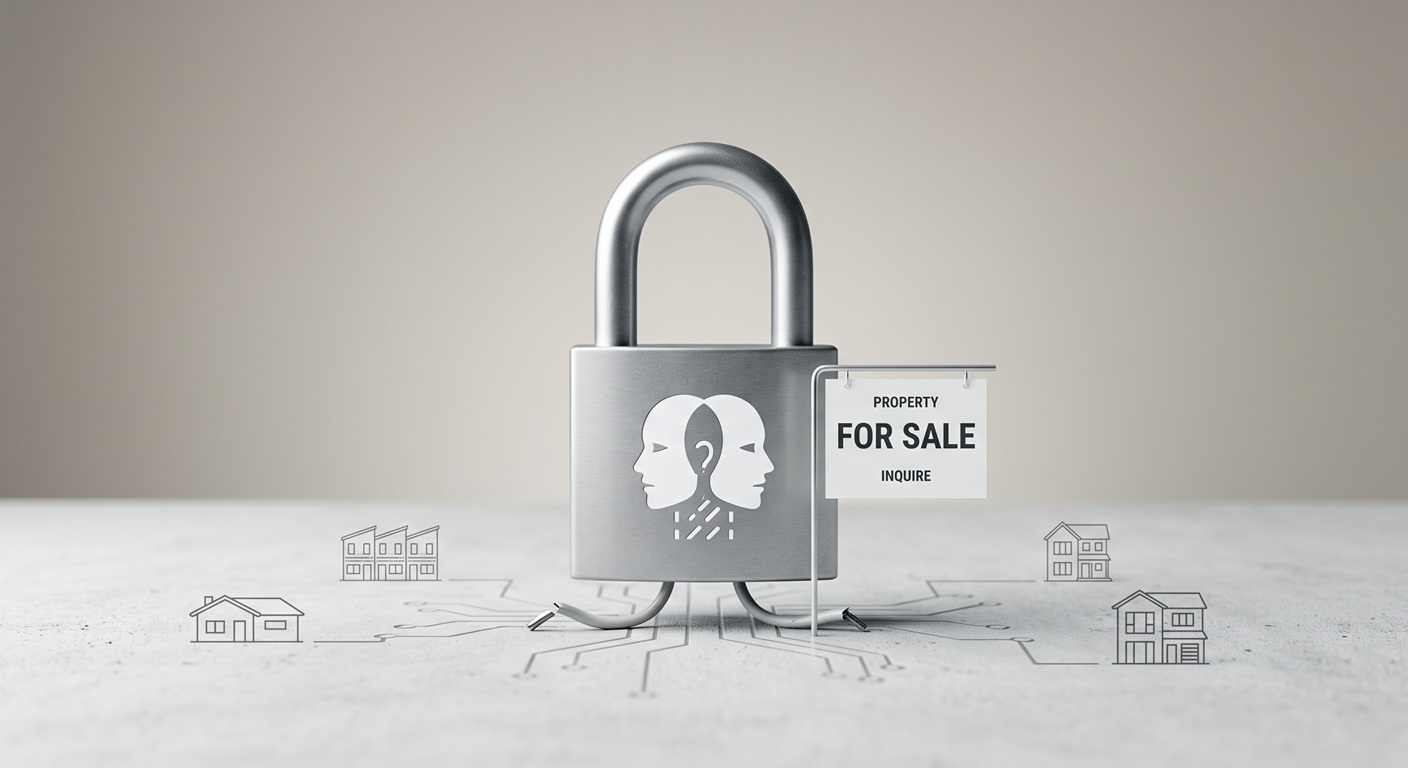
59% of title firms reported at least one seller impersonation fraud attempt in the past year — more than double the 28% who said the same in 2024. Even more telling: the share of firms hit in the prior month alone jumped from 19% to 45%, according to the American Land Title Association's 2026 Critical Issues Study, released September 14. The scams aren't getting more common by accident — they're getting easier to pull off, because the phone call on the other end increasingly isn't who it sounds like.
How the scam actually works
Tom Cronkright, co-founder and CEO of Sun Title and CertifID, described the pattern to HousingWire: criminals pair AI voice cloning with a spoofed phone number, so a buyer gets an inbound call that looks and sounds exactly like their title-escrow officer or lender. The "advisor" updates them on the transaction, then casually introduces the idea that closing funds need to move early — followed by wiring instructions.
In one March case in West Michigan, a buyer was convinced by what he believed was his mortgage lender's voice to wire funds before a preliminary closing disclosure had even circulated. The fraud wasn't discovered until the actual sellers arrived for closing and the title company asked about the certified check that was never coming, because the money was already gone.
Who criminals target first
The report found scammers are highly selective about which properties they impersonate an owner for. The riskiest categories:
- Vacant land — rated at least somewhat common by 82% of firms, the single most-targeted category.
- Absentee-owned properties — 72%, where a distant or hard-to-reach owner is less likely to notice.
- Properties owned free and clear — 68%, with no lender in the transaction to catch irregularities.
- Property of recently deceased owners — 55%, sourced from obituaries and recorded death certificates, then impersonated to defraud the heirs.
Why "getting someone on the phone" no longer proves anything
For years, a live phone call was the fallback verification step — if you could hear the seller's voice, it was them. That assumption is collapsing. ALTA's data found 87% of firms rated spoofed contact information as at least somewhat common, and 58% said the same of deepfake image or voice technology. As Steve Gottheim, ALTA's general counsel, put it: "At some point, you're going to need AI tools that are able to analyze it very quickly and tell if this a real or fake video" — because human judgment alone increasingly can't.
Layered defenses are already paying off
Firms aren't defenseless. 94% now use multiple detection tools, averaging 5.3 per firm, with ID verification, direct seller contact, and multifactor authentication rated most effective. Cronkright described the emerging standard: device analysis, live biometric facial matching, credential analysis against a government-issued ID, and cross-referencing against known trusted databases — before anyone is treated as the verified owner.
The gap that still needs closing
The report found 87% of fraud is caught during the clearance or curative process — meaning most of it is detected well after signing, not at the moment of first contact. That's a good catch rate, but it also means the industry is largely finding fraud late rather than stopping it early, and one in four firms that report a fraud attempt still end up paying a claim. As Cronkright put it: "You spend less than 10 seconds looking at a stranger before signing a deed over and wiring them funds. That just doesn't make sense."
Closing that gap means pushing detection earlier, into the actual phone calls and video interactions where impersonation happens — not just the paperwork review afterward. Real-time deepfake and voice-clone detection, layered alongside the identity checks title firms already run, is how that verification moves from "after the wire went out" to "before anyone believes the call is real." See how that works with Corsound AI's Deepfake Detect.
See Corsound AI Voice Intelligence In Action