Synthetic identity fraud is now the top threat facing banks in 2026
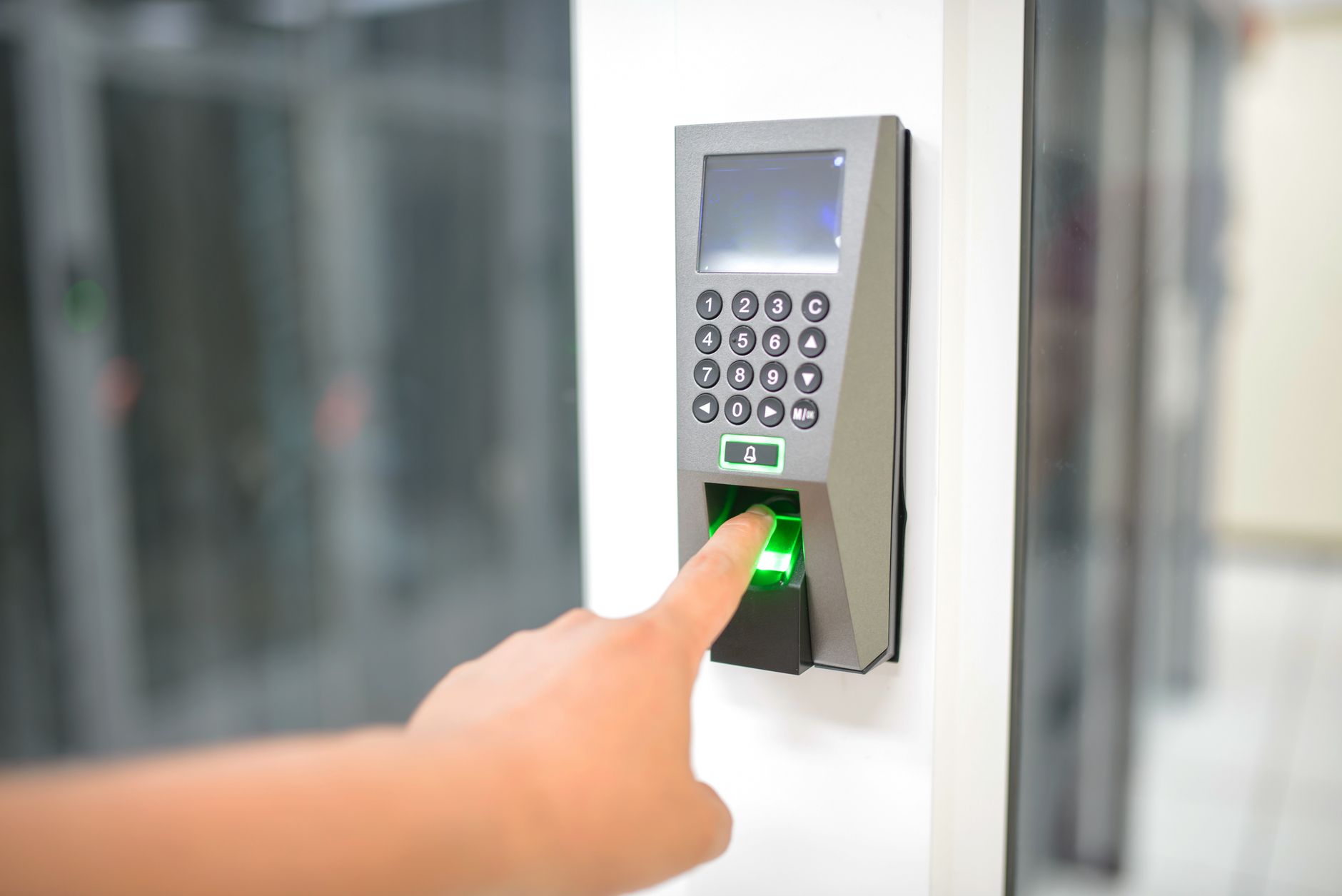
Nearly nine in ten bank risk executives now rate synthetic identity fraud as a moderate or high risk to their application process, and the numbers back them up. Unsecured credit losses tied to synthetic identities in the US reached $2.94 billion in 2025, up from $1.8 billion just five years earlier, according to new research from Mitek Systems and Datos Insights. Unlike the voice-cloning heists and deepfake video calls making headlines, this fraud doesn't announce itself. It slips in quietly, at account opening, wearing an identity that was never real to begin with.
What makes synthetic identity fraud different
Synthetic identity fraud blends real and fabricated data, often a stolen or purchased Social Security number (frequently belonging to a child or someone deceased) stitched to a fake name, address, and employment history. Because there is no single real victim to notice and report the theft, these profiles can pass initial checks and sit quietly for months, building a credit history before being used to strike.
That patience is the point. Fraud teams call this "seasoning": the longer a synthetic identity operates undetected, the more trustworthy it appears to downstream systems, and the bigger the eventual loss.
The threat is compounding, not shrinking
Researchers estimate synthetic identity fraud is growing at a baseline of roughly 16% per year, and generative AI is accelerating the curve. About 40% of financial institutions say they are already seeing more attacks linked to AI, and most expect that share to climb further this year.
As Trace Fooshée, strategic advisor at Datos Insights, put it: synthetic identity fraud is "a strategic control point" because it increasingly serves as the foundation for a wide range of downstream fraud activity, from mule accounts to first-party check fraud, which more than half of surveyed executives also reported rising in 2025.
How generative AI lowers the cost of a fake identity
What used to take a fraud ring days of manual document forgery now takes minutes. Common tactics fraud teams are reporting include:
- AI-generated selfies and ID photos paired with fabricated or synthetically altered identity documents
- Cloned or synthetic voice samples used to pass phone-based verification and call-center identity checks
- Injection attacks on liveness checks, where AI-generated video is fed through a virtual camera to defeat selfie verification during onboarding
- Automated "identity farming", generating large batches of synthetic applicants at a fraction of the manual cost
Each of these tactics can individually pass a single verification step. The danger is that most onboarding stacks only check one signal, a document, a selfie, or a phone number, in isolation.
Why voice-to-face matching closes the gap
A synthetic identity can have a convincing fabricated document and a convincing AI-generated face. What it cannot easily fake is the relationship between a real person's voice and their face. Corsound AI's Voice-to-Face AI matches a voice to a face without requiring a pre-existing database of either, so it doesn't need to have seen the fraudster before to catch the mismatch. Instead of only asking "does this document look real," it asks a harder question: does the voice on this call actually belong to the face on this application? For a fabricated identity, the answer is often no.
What banks should do now
The Mitek and Datos Insights research is direct on this point: institutions still relying on fragmented, single-signal detection are the most exposed. Continuous, multimodal verification, ideally biometric checks that cross-reference voice and face rather than trusting either alone, is what closes the gap that document-only and selfie-only checks leave open.
Synthetic identity fraud will keep growing as long as it stays cheap to manufacture and hard to detect at the point of onboarding. Closing that gap starts with verification that catches what generative AI is built to fake. Learn more about how Corsound AI helps banks and fraud teams prevent identity fraud with voice-to-face biometrics.
Photo: panumas nikhomkhai / Pexels
See Corsound AI Voice Intelligence In Action