Voice cloning crosses the indistinguishable threshold
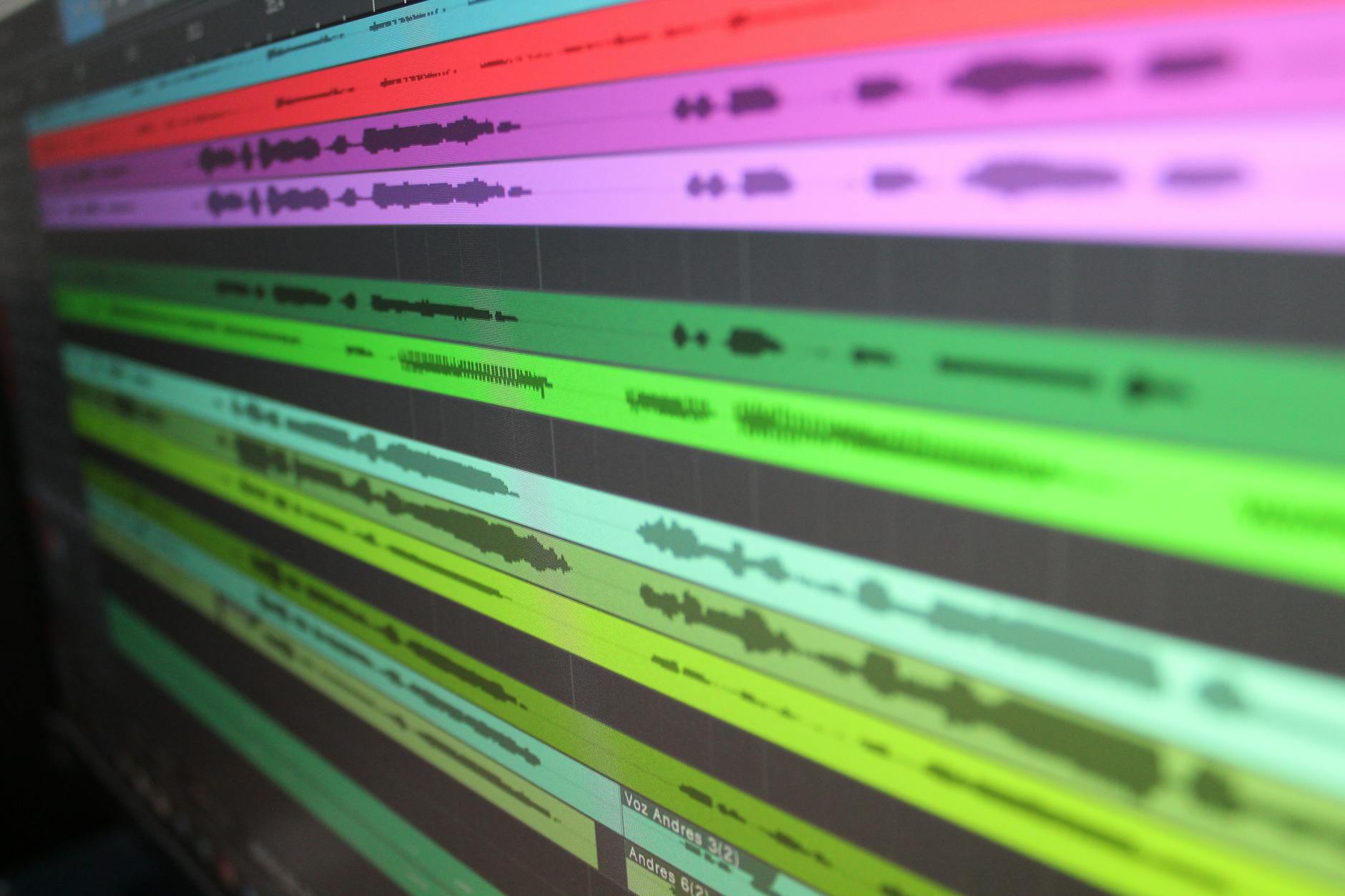
Imagine receiving a phone call from your CEO asking you to approve an urgent wire transfer. The voice is perfect — same accent, same cadence, same slight hesitation before numbers. Now imagine that call was generated in seconds from a three-second audio clip lifted from a podcast. This scenario is no longer hypothetical. Researchers have warned that voice cloning has officially crossed what they call the "indistinguishable threshold" — the point at which human listeners can no longer reliably tell a cloned voice from the real thing. And the financial toll is already mounting.
The numbers behind the crisis
Deepfake fraud attempts have increased 2,137% over the past three years, now appearing in roughly 1 in 15 detected fraud cases. Deloitte's Center for Financial Services projects deepfake-driven losses could climb to $40 billion in the US alone by 2027. Meanwhile, synthetic identity fraud — in which fraudsters pair cloned voices with AI-generated documents and biometric bypasses — is estimated to cause between $30 and $35 billion in annual losses.
The accessibility of these tools is staggering. Research from McAfee found that just three seconds of audio is enough to produce a voice clone with 85% accuracy. Commercially available voice cloning services cost as little as $5 on underground markets, and the results are often indistinguishable to a trained ear. With 1 in 4 Americans reporting they have been targeted by an AI voice scam, the threat has moved well beyond experimental attacks.
Why traditional defenses are no longer enough
For years, organizations relied on challenge questions, callback verification, and behavioral checks to flag fraudulent calls. These defenses assumed that a human ear — or a trained agent — could spot a fake voice. That assumption no longer holds.
A March 2026 report from Biometric Update confirmed that deepfakes can evade most legacy detection tools, particularly those built around spectral analysis techniques that were state-of-the-art only two years ago. The threat is no longer isolated audio clips — it is fully integrated "identity packages" that combine synthesized voices, AI-generated documents, and deepfake video feeds to pass every layer of a verification funnel simultaneously.
Human detection rates for high-quality voice fakes now sit below 25%, rendering agent-based screening essentially ineffective without technological augmentation.
Regulators are responding — but legislation takes time
The scale of the problem has not gone unnoticed on Capitol Hill. In April 2026, Sen. Maggie Hassan sent formal letters to ElevenLabs, LOVO, Speechify, and VEED demanding they explain what safeguards they have in place to prevent their tools from being weaponized for fraud. Separately, bipartisan legislation is advancing on two tracks:
- Senate Bill S.3982 — AI Fraud Accountability Act of 2026, introduced by Senators Sheehy and Blunt Rochester, would amend the Communications Act of 1934 to criminalize using AI-generated audio or visual "digital impersonations" with fraudulent intent, carrying penalties of up to three years in prison.
- H.R.7786, the House companion bill, would align civil enforcement through the FTC, treating AI-enabled impersonation as an unfair or deceptive trade practice.
The bills have drawn support from the Bank Policy Institute, Microsoft, AARP, and the Global Anti-Scam Alliance — a signal that industry and consumer advocates alike view this as an urgent structural gap in US law. Legislation, however, moves slowly. Enforcement is reactive by nature. Organizations that wait for regulatory mandates to drive their defenses will be exposed in the interim.
What fraud-resilient organizations are doing now
The good news is that technology has kept pace with the threat — provided organizations deploy it at the right layer. Industry data indicates that real-time deepfake detection tools reduce fraud success rates by over 45% when deployed in live call and verification workflows, while multi-factor strategies that incorporate biometric signals reduce voice fraud risk by more than 70%.
Leading fraud prevention teams are moving toward a layered approach that includes:
- Real-time audio analysis that flags AI-generated speech at the point of call, before any agent interaction begins — stopping fraud at the first touchpoint rather than after damage is done.
- Cross-modal verification that matches voice characteristics against face data, catching synthetic personas that can defeat single-modality checks.
- Continuous identity monitoring rather than one-time onboarding verification, given that fraudsters increasingly target existing account relationships where trust has already been established.
The bottom line
Voice cloning has crossed a threshold that cannot be uncrossed. The question for security and fraud prevention leaders is not whether this threat is real — the statistics and the bipartisan legislative response confirm that it is — but whether their current detection stack was built for the threat landscape of 2022 or 2026.
Corsound AI's Deepfake Detect is purpose-built for this moment: real-time audio and video deepfake detection that operates in live environments, requires no prior enrollment, and is continuously updated against the latest generative models. As voice cloning tools grow cheaper and more convincing, detection infrastructure needs to grow faster. Learn how Corsound AI can help protect your organization.
See Corsound AI Voice Intelligence In Action